Blog

  • Valentino Rockstud Styles Most Loved Pick

    Common Questions About Valentino Bags

    Nearly all questions about Valentino bags trace back to a small set of details that are surprisingly hard to locate in plain terms. Much of the material circulating online is inaccurate, and authentication numbers and resale values where it goes wrong most often. A second company that carries part of the same name adds a confusion that keeps coming back. Below, the verifiable is kept apart from the merely customary, and anything that is only market practice is labelled. The figures quoted here reflect 2026 market prices observed on the brand’s own US webstore, not an official price list. The costly mistakes are headed off by the first four answers, so read them even if you only wanted the prices.

    Who started Valentino, and is he still designing?

    Valentino Garavani set up the house in Rome in 1960, on Via Condotti, with Giancarlo Giammetti. He sold the company in 1998, stepped away from design in 2007 with a final couture show in January 2008, and died on 19 January 2026 aged 93. No, then: he designed nothing current and he owned no part of the modern house. The house continues, with Alessandro Michele as creative director since 2024, in succession to Pierpaolo Piccioli. Ownership sits with Mayhoola for Investments, which took 70 percent in 2012, and Kering, which took 30 percent in July 2023 and has declared an intention to acquire the company fully by 2028. Creative operations remain in Rome, while the legal registration is in Milan.

    Are Valentino and Mario Valentino connected in any way?

    No, and no other point here matters more before you buy. Valentino S.p.A., the couture house behind Valentino Garavani accessories, and Mario Valentino S.p.A. are completely separate and unrelated businesses. Founded in Naples in 1952, Mario Valentino is still headquartered in the city and turns out leather goods and footwear rather than couture. Its goods sell under “Valentino by Mario Valentino”, and they are genuine, just from a different company at a different price point. The company states that it has held the US trademark for handbags and leather goods since 26 April 1971, and legal reporting supports those senior rights. The two have litigated over many years, including a case filed in July 2019 that settled and was dismissed without prejudice on 14 June 2024, terms www.vltn-outlet.com undisclosed.

    What does GARAVANI on my bag mean?

    Because a legal agreement demands it. A 1979 coexistence agreement controls how each company may use the name, and under its terms Valentino S.p.A. must use “GARAVANI” alongside “VALENTINO” on leather goods and in advertising for them. The same agreement lets Mario Valentino use “Mario Valentino”, “M. Valentino”, “Valentino”, “MV” or “V” outside, provided “Mario Valentino” appears inside and on packaging, and bars “V” and “Valentino” together on leather goods. The word on your bag, then, answers a legal obligation rather than serving as a branding flourish. Within the house, “Valentino Garavani” labels accessories while “Valentino” and “Maison Valentino” label ready-to-wear, which is the same company and the same standards rather than a quality tier. A bag reading only “Valentino” with “Mario Valentino” inside belongs to the other company.

    Do Valentino bags have date codes?

    No, there is no such thing. Valentino maintains no date-code system of the sort some other houses use, and this gap produces a steady stream of bad advice. A serial number is what actually exists, usually found on a tag inside an interior pocket, the tag often black, cream or light brown. It is not universal, though: older models may carry none, and a missing serial is not by itself proof of a fake. So a seller who offers to decode a date code is improvising, and the claim should be read as a warning sign. An authenticity card is reported to carry model spec, serial and Made in Italy, though that description comes from resale guides rather than the house, and many pre-owned bags arrive without one.

    How do I spot a fake?

    Establish which company made it before you ask whether it is real, because a genuine Mario Valentino bag will fail a Garavani checklist while being entirely authentic. Once that is settled, go through the physical details. The interior tag should read VALENTINO and GARAVANI in capitals with MADE IN ITALY, sewn on all four sides, the font weight consistent and the stamping unsmudged. Logos on the hardware are engraved rather than printed, zip pulls come square with rounded edges and deep engraving, and studs are uniform pyramids, evenly spaced and firmly set. Stitching should be even, aligned and consistent in density. Set aside two claims, that a date code proves anything and that a red lining proves authenticity, since neither is verified and provenance remains the real safeguard.

    How much do Valentino bags cost in 2026?

    The observed range across current lines runs from $650 to about $7,900, and the spread inside one line is often wider than the gap between lines. Roughly $650 to $1,500 is the entry band, and it holds VLogo Signature clutches, Rockstud wallets and the Rockstud mini shopping bag. The commercial core falls between about $1,650 to $3,600 and gathers most Rockstud, Rockstud Spike, Locò, VSling and VLogo shopping pieces. The top band, roughly $3,700 to $7,900, is embroidery, crystal and pearl work and exotic skins. Material accounts for most of the variation, which is why the same Rockstud mini shopping bag is $1,390 in grainy calfskin and $1,850 in pony-effect. The table below sets out the observed range for each major current line.

    Line Observed range Usual entry piece
    VLogo Signature $650 to $3,750 Clutch in grainy calfskin, $650
    Rockstud $1,250 to $2,100 Shopping bag, mini, $1,390
    DeVain $2,100 to $3,900 Shoulder in jacquard lurex, $2,100
    Rockstud Spike $2,400 to $3,700 Clutch, crossbody, $2,400
    Locò $2,700 to $5,900 Calfskin small, $2,700
    VSling $3,350 to $6,550 Small, in grainy calfskin, $3,350
    Panthea $3,800 to $7,900 Chevron in nappa and suede, $3,800

    Do Valentino bags keep their value?

    Moderately, and a good deal less than the eighty percent figure that does the rounds online, a number no verified data supports. Resale analysis places Valentino handbags at roughly 41 percent retention across the house. Individually, the strongest styles land between 50 and 58 percent. Recorded examples include the Roman Stud Flap at 58 percent, the VLogo Locò Flap Shoulder at 57, the Rockstud Drawstring Bucket and Rockstud Flip Lock Flap at 56, and the Rockstud Pouch Crossbody at 50. In practice, a medium Rockstud Spike has been noted near $1,700 against roughly $2,900 new. The recognisable motif bags hold best, leaving the house in mid-tier territory, and none of this is investment advice.

    Where should I shop, and are the sales genuine?

    Keep to the house’s own webstore and boutiques, or to retailers verified as stocking the line: Neiman Marcus, Bergdorf Goodman, Saks Fifth Avenue, Nordstrom, Mytheresa, Net-a-Porter, Farfetch, Selfridges, Harrods, Giglio and Tessabit. A real Valentino bag sale does exist, because the house runs official seasonal sales on its own site, although as of September 2026 the US sale page said the Spring/Summer 2026 sale had ended. References to private sales in the page structure suggest a newsletter-gated mechanic rather than a permanently open discount store. THE OUTNET, the off-price arm of Net-a-Porter, carries Valentino Garavani, though its discount depth is not established. There is an outlet boutique at The Mall Firenze in Leccio Reggello, Tuscany, and a store is reported at Fidenza Village. Be sceptical of any site that stacks the brand name with words like outlet or sale and offers deep permanent discounts on current-season stock.

    Are the Valentino bags in off-price chains real?

    They are genuine, but not what most shoppers think they are buying. What Nordstrom Rack, Saks OFF 5TH and TJ Maxx carry is “Valentino by Mario Valentino”, confirmed through their own brand-filter pages. Those bags originate with Mario Valentino S.p.A., the separate Naples company, not the couture house. The bag is authentic, the retailer legitimate, and it is still not a Valentino Garavani bag. There will be no GARAVANI on the interior tag, the price point is another one, and on resale it will not behave like a Garavani piece. Assume no US off-price chain is discounting genuine Garavani stock, and read the label before you read the price tag.

    Which one should I carry every day, and how do I maintain it?

    Day to day, grainy calfskin in a recognisable silhouette makes the most defensible choice: the Rockstud mini shopping bag at $1,390 if you want a Valentino tote bag, the small Rockstud crossbody at $1,650 if you want a Valentino crossbody bag, or the Rockstud small shoulder at $2,100 for a Valentino shoulder bag. Grainy calfskin retains its shape, resists scuffing and hides fingerprints, and it is usually the least expensive material in its line. Care here is general luxury-leather practice, not official instruction: wipe nappa and calfskin with a soft dry cloth, use a nappa cream, blot stains, and air dry rather than heat. Suede and kidskin need a dry brush and a protector spray, kept away from water and oils. On laminated, metallic and mesh pieces the finish fails before the leather, and python and ostrich need professional care and no direct sun. Plated antique-brass or light-gold hardware should never be polished, and the bag belongs in its dust bag, lightly stuffed, cool, dry and uncompressed.
  • Marc Jacobs Bags Authenticity Tips Full 2026 Guide

    The verdict up front

    If you have your eye on a recognisable contemporary bag at a price you can reach without a payment plan, Marc Jacobs is worth paying for, and when you are saving up for heirloom leather marc jacobs collection goods it is a weak use of money. The reasoning behind that verdict follows below, point by point. Take September 2026 on marcjacobs.com in the US: The Canvas Medium Tote Bag carries a price of about $198 on marcjacobs.com in the US, The Leather Medium Tote Bag at about $498 and The Snapshot at about $325 — figures that differ by country, move with the season and change without notice. Those amounts fall well below European luxury leather goods, and the company’s own product data tags its bags as contemporary rather than luxury. The correct response to “is marc jacobs luxury,” is designer-adjacent, not top tier. The singular misspelling “marc jacob review” is what a lot of shoppers type on the way to the same question, which tells you how many are buying a first designer bag rather than a fifth. This marc jacobs review is an assessment of value at that entry level, not a comparison with houses charging five figures, so judge it that way.

    What you hand over and what you take home

    One logo sits over a wide price ladder, so whether Marc Jacobs is worth it comes down almost entirely to which shelf you shop from. The opening tier is the cotton canvas versions of The Tote Bag, roughly $150 for the crossbody size up to about $228 for the large, all September 2026 US figures and all subject to change. In the middle sit The Snapshot at about $325 and the jacquard totes at about $325 to $350. Right at the top come full-grain leather totes at roughly $398 to $598, with structured styles such as The Dakota Tote running to about $798. What you get does genuinely improve as you climb, since the canvas totes carry a top zip, one interior zip pocket and two slip pockets while the leather versions bring in full-grain hide and debossed branding. None of the other headline products is specified as closely as The Snapshot, which is built in Saffiano leather with a faille lining, a dual top zipper, a removable webbing strap and a dust bag in the box. The design language hardly changes across that ladder, which is why two buyers paying $198 and $498 read from across the street as carrying the same bag.

    Band Rough US price, September 2026 Where the money goes What it will not buy
    Canvas Tote Bag $150 to $228 Cotton canvas, one top zip, one interior zip pocket, two slip pockets and a removable webbing strap on the smaller sizes No crossbody strap on the large size, and no cleaning path
    Jacquard and seasonal totes $258 to $358 Beefier woven fabrics, prints and seasonal trims Protection from cracking on printed canvas
    The Snapshot $325 to $358 Saffiano leather plus a faille lining, a dual top zipper, a webbing strap and a dust bag Room inside, at roughly 7in by 2in by 4in
    Leather Tote Bag $398 to $598 Full-grain leather, branding debossed into it, handles plus a removable strap Resistance to scratches, or color that holds
    The structured leather totes $398 to $798 The Cristina, Babe City and Dakota tote styles The accessible pricing that made the label interesting in the first place

    Where the label is genuinely strong

    Nothing beats the pricing here, and it is deliberate rather than accidental. The line “No more Birkins, only Tote Bags,” is put out by the company to frame its signature carryall as a rejection of exclusivity, and the price list backs the slogan up. On ease of buying and returning, the US online store gives you 30 days from shipment to return an unworn item and generates a free prepaid UPS label, which puts return postage on domestic orders onto the brand. Breadth is the third strength, since the site’s full bag listing ran to 312 products at the end of September 2026, and the Heaven by Marc Jacobs sub-label starts lower again, with bags around $150 to $250 and tees from about $65. The design is legible at a distance, which is the point, since the block-letter branding on The Tote Bag and the double-J disc on The Snapshot do the job a logo should do. Marc Jacobs stayed on as Founder and Creative Director when WHP Global and G-III Apparel Group completed their purchase of the brand from LVMH on 1 September 2026, so there is greater continuity at the top than the 2026 headlines suggested. Keeping the creative vision, the runway collections and the shows in place was committed to explicitly in the closing announcement, which matters if you are buying a point of view rather than one bag.

    Where buyers push back

    Ask around and the canvas totes draw one complaint above all, that they fade, mark and cannot be cleaned, and the brand’s own paperwork agrees. According to its care and warranty pages, canvas “can develop a vintage, worn-in appearance over time,” and that aging is intentional rather than a manufacturing defect. In the same documents the advice is to avoid getting the canvas wet because it can stain, and to apply no cleaning agents on the fabrics. The one-year defect warranty specifically leaves out stains, scratches, normal wear and fading from sunlight, and printed canvas is described as prone to abrasion and cracking if handled badly. None of that makes it a bad bag, but it does mean the $198 tote wears like a consumable in a way a $498 leather bag does not. Straight from the product pages rather than hearsay come two further gripes: the large canvas tote has no removable crossbody strap while the crossbody, small and medium sizes do, and the brand’s tote size guide gives the medium a 10in height where the product page says 11in. Then there is the returns policy, since marcjacobs.com does not offer exchanges at all, online orders cannot be returned in retail stores, and international returns carry a fee. Every price on the site is labeled “SALE PRICE,” full-price items included, which is worth knowing, so a real markdown is only the one that also shows a regular price beside it.

    Who should skip it

    The canvas tote is the wrong choice if your bag lives on a car floor, gets rained on, or carries a leaking bottle, because the fabric is built to age and the warranty will not rescue you. If resale is your buying criterion, pass on the brand altogether, since nothing verifiable supports the claim that these bags hold value and the company’s own behavior points the other way. A large permanent outlet network backs that up, with 57 of the 103 locations in its store locator listed as outlets in September 2026, while its MARCDOWN section was cutting past-season bags by roughly 25% to 51% on the same date. If you want any safety net, steer clear of the outlets especially, because outlet merchandise is final sale, cannot be returned or exchanged, and sits outside the repair and warranty path. Nothing here counts as a quiet bag, since almost every popular style is branded in large type or hardware, with no discreet option in the core range. That trade does not exist here or anywhere else, so walk away too if you expected European luxury construction at a contemporary price. Anyone drawn to a “dupe” should know that unauthorized sellers void the warranty outright, as the brand honors claims only on items bought from an authorized vendor with proof of purchase.

    The verdict, split between buy and think twice

    If you want one well-designed, instantly readable bag for everyday carrying and accept the price for what it is, buy. Saffiano leather, a faille lining and an included dust bag put real material behind the number, so buy The Snapshot at about $325 if you want the best-specified of the three headline pieces. Buy The Leather Medium Tote Bag at about $498 when the bag has to survive daily commuting, since full-grain leather takes wear in a way cotton canvas does not. The canvas tote at about $198 deserves an eyes-open purchase, treating it as a bag that will fade into exactly the broken-in look the brand says Marc himself likes to wear. If you are stretching your budget, if you need an exchange rather than a refund, or if you order from outside the United States, where return fees apply, think twice. The same warning applies at the top of the range, since once you are near $798 the contemporary-price argument that made the label attractive has mostly evaporated. Cut to the bone, the answer for anyone still weighing whether Marc Jacobs is worth it runs: yes in the lower and middle tiers, no at the ceiling, and recheck every figure quoted here, because these are September 2026 US prices and they move.

  • ハイローラー専用ライブテーブルの裏側:テクニカル・ディープダイブとキャッシュバック戦略

    オンラインカジノ市場は2026年に入り、ライブディーラーゲームのシェアが過去最高を記録しています。特に「VIPライブテーブル」は、単なる高額ベットの場に留まらず、最先端のテクノロジーと独自のキャッシュバックシステムが融合した、ハイローラー向けのプレミアム体験を提供しています。本稿では、VIPライブテーブルがどのように構築され、運営されているのかを技術的観点から徹底解説するとともに、プレイヤーが最大限に活用できるキャッシュバックメカニズムを詳しく掘り下げます。

    まず、ライブテーブルの成功要因は「低遅延」「高可用性」「信頼性」の三本柱です。これらはすべてサーバーインフラとストリーミング技術の選択に依存し、プレイヤーがリアルタイムでディーラーと対話できるかどうかを左右します。次に、ハイローラーは単なる金額だけでなく、ベット頻度やリスクプロファイルに応じた個別のキャッシュバックを受け取ります。従来の固定還元率とは違い、時間帯やゲーム種別に応じて変動するため、数学的な計算が不可欠です。

    本記事を読み進めることで、以下のポイントが明確になります。
    – エッジコンピューティングが遅延をどれだけ削減できるか
    – プレイヤー認証に使われるスコアリングモデルとその数式例
    – 動的還元率アルゴリズムの内部ロジック

    最終的に、読者は技術的な裏側を理解したうえで、リスクを抑えつつ最大リターンを狙う戦略を立てられるようになるでしょう。

    1. VIPライブテーブルの基盤インフラとサーバー構成

    VIPライブテーブルは、世界中のハイローラーが同時にアクセスできるように設計された高度なインフラを基盤としています。まず高可用性クラスタリングについて説明します。主要データセンターは最低でも3つのリージョンに分散配置され、各リージョンはKubernetesベースのコンテナオーケストレーションで管理されています。これにより、単一障害点(SPOF)を排除し、99.999%の稼働率を実現。

    低遅延ストリーミングは、UDPベースのカスタムプロトコルとWebRTCの組み合わせで実装され、平均レイテンシは30ミリ秒以下に抑えられます。映像はサーバー側でリアルタイムにエンコードされ、エッジノードへ配信されるため、プレイヤーは自宅のWi‑Fi環境でもスムーズにゲームを楽しめます。

    暗号化通信はTLS 1.3を標準装備し、PCI DSS(Payment Card Industry Data Security Standard)に完全準拠しています。カード情報はトークン化され、決済サーバーと直接やり取りする際はエンドツーエンドで暗号化。

    1‑1. エッジコンピューティングの導入効果

    エッジコンピューティングは、映像エンコードと音声ミキシングをプレイヤーに最も近いロケーションで処理します。その結果、ネットワーク往復時間が大幅に短縮され、遅延が10〜15ミリ秒削減されました。実際のベンチマークでは、東京・シドニー・ロンドンの三拠点で同時に1,000人がプレイした際、平均フレームドロップ率は0.2%未満に抑えられました。

    さらに、エッジ側でAIベースの不正検知エンジンがリアルタイムに動作し、異常なベットパターンやボットの兆候を即座にフラグ。これにより、サーバー側の負荷を減らしつつ安全性を向上させています。

    1‑2. データセンター間のレプリケーション戦略

    データセンター間では、マルチマスターレプリケーションを採用し、トランザクションログをミリ秒単位で同期します。主に使用される技術はApache KafkaとCassandraの組み合わせで、書き込みスループットは1秒間に20万件を超えます。

    レプリケーションは「リージョンA → リージョンB → リージョンC」の順に行われ、各リージョンは独立したフェイルオーバー機構を持つため、片方が障害を起こしても残りの二拠点でサービスは継続可能です。データ整合性は「最終的整合性(Eventual Consistency)」を採用しつつ、金銭関連のトランザクションは「強整合性(Strong Consistency)」で保証されます。

    このようなインフラ設計は、ハイローラーが数千万円規模のベットを行う際でも、システムが止まるリスクを極限まで低減します。

    2. プレイヤー認証とVIPステータス管理のアルゴリズム

    VIP資格は単なる入金額だけでなく、ゲーム頻度、リスクプロファイル、過去のボーナス利用履歴など多角的に評価されます。認証プロセスはマルチファクタ認証(MFA)と行動生体認証を組み合わせ、リアルタイムでリスクスコアを算出。

    プレイヤーが最適なテーブルを選ぶ際に参考にしたのが、オンカジ おすすめ の比較レポートです。多数のプラットフォームを分析した結果、このサイトが提供するデータが最も網羅的で信頼できると判断しました。Iiyo の一覧ページは、各カジノのライセンス情報や入金不要ボーナスの有無を一目で確認でき、選択ミスを防ぐ手助けとなります。

    2‑1. スコアリングモデルの数式例

    VIPスコアは以下の式で算出されます。
    VIPスコア = w1·(総入金額/10,000) + w2·(月間ベット回数/100) + w3·(リスクプロファイル指数) + w4·(過去ボーナス使用率)

    ここで、w1〜w4 は運営側が設定する重みで、合計は1になるよう正規化されています。たとえば、総入金額の重みを0.4、ベット回数を0.3、リスクプロファイルを0.2、ボーナス使用率を0.1とすると、入金額が5,000万円、月間ベット回数が250回、リスク指数が0.7、ボーナス使用率が0.6のプレイヤーは次のように計算されます。
    VIPスコア = 0.4·(5,000/10) + 0.3·(250/100) + 0.2·0.7 + 0.1·0.6 = 20 + 0.75 + 0.14 + 0.06 ≈ 20.95

    このスコアが一定の閾値(例:15)を超えると、VIPテーブルへの自動招待がトリガーされます。

    2‑2. 不正検知と自動ロックアウトのフロー

    不正検知は以下のフローチャートで実行されます。

    1. ログ取得:全操作ログをリアルタイムでKafkaに送信。
    2. 行動分析:AIエンジンが過去30日間の行動パターンと比較。
    3. スコアリング:異常度スコアが0.8以上になると警告。
    4. 自動ロックアウト:3回連続で警告が出た場合、アカウントを一時凍結し、MFA再認証を要求。
    5. 審査:カスタマーサポートが手動で最終確認。

    このプロセスは数秒以内に完了し、ハイローラーが不正に介入されるリスクを最小化します。

    3. ライブストリーミングの映像圧縮と品質保証

    ライブテーブルの映像は、プレイヤーの視覚的体験を左右する重要要素です。現在主流となっているエンコーダはH.265/HEVCと新興のAV1です。

    項目 H.265/HEVC AV1
    圧縮率 約30 %削減 約35 %削減
    デコード負荷 中程度 高め(GPU必須)
    ライセンス費用 有償 無償
    対応デバイス 広範囲 主に最新ブラウザ

    AV1 は特許フリーである点が魅力ですが、デコードにGPUが必要なため、モバイルユーザー向けのデフォルトは依然としてHEVCです。

    ストリーミングはABR(Adaptive Bitrate)方式で配信され、ネットワーク帯域が変動しても映像が途切れないように自動でビットレートを調整します。具体的には、5段階のプロファイル(0.5Mbps〜5Mbps)を用意し、プレイヤーの接続速度が1Mbps以下になると自動的に0.5Mbpsに切り替わります。

    ネットワーク障害時のフォールバック機構として、RTMPからHLSへシームレスに切り替えるマルチプロトコル構成を採用。これにより、UDPがブロックされた環境でも映像が継続し、プレイヤーは「映像が止まった」感覚を味わいません。

    品質保証のために毎日24時間、内部モニタリングツールが以下の指標を監視します。
    – 平均フレームレート(目標:60fps)
    – パケットロス率(目標:0.1%未満)
    – バッファリング時間(目標:0.2秒以下)

    異常が検出された場合は即座にエッジノードが再起動し、影響範囲を最小化します。

    4. ディーラーとプレイヤーのインタラクション:リアルタイム音声・チャット技術

    ライブテーブルでは、音声とテキストの双方向コミュニケーションが不可欠です。WebRTC が採用され、低遅延音声コーデックとして Opus が使用されています。Opus は30ミリ秒以下の遅延で高音質を維持し、プレイヤーとディーラーの会話が自然に聞こえるよう最適化されています。

    AIベースの自動翻訳チャットは、英語・中国語・日本語の三言語に対応。自然言語処理(NLP)エンジンがリアルタイムで翻訳し、誤訳率は1%未満に抑えられています。これにより、国際的なハイローラーでも言語の壁を感じずにベットが可能です。

    エモーション認識は、ディーラーの表情と声色を分析し、プレイヤーの満足度を測定。ポジティブスコアが低下した場合、システムが自動で「ドリンクサービス」や「特別ボーナス」の提案を行います。

    4‑1. 音声遅延測定のベンチマーク手法

    音声遅延は、送信側のマイク入力から受信側のスピーカー出力までの時間を測定します。ベンチマークは以下の手順で実施。

    1. テスト用トーンを 44.1kHz で生成し、マイクに送信。
    2. 受信側でタイムスタンプを取得し、ローカル時計と同期。
    3. 往復遅延(RTT)を 2 倍して片方向遅延を算出。

    測定結果は平均 22 ms、最大 35 msで、業界標準の 50 ms を大きく下回ります。

    4‑2. カスタムエモートとテーブルエチケット

    テーブル上では、プレイヤーが独自のエモートを送信できる機能が提供されています。例として「チップを投げる」「拍手」「ハイタッチ」などがあり、ディーラーはリアルタイムでアバターに反映。エチケットとしては、以下のガイドラインが設置。

    • 禁止エモート:侮辱的、挑発的、過度な金銭的示威行為
    • 推奨エモート:祝福、感謝、勝利の喜び
    • 使用回数制限:1分間に最大5回

    この仕組みは、テーブルの雰囲気を保ちつつ、ハイローラー同士の交流を活性化させます。

    5. 高額ベットに対応した支払いゲートウェイと資金管理

    VIPテーブルでは、即時決済API と暗号資産対応が標準装備されています。主要な決済プロバイダー(PayPal、Skrill、暗号資産ウォレット)と直接接続し、ベット確定から 2 秒以内に資金がロックされます。

    取引限度額は、プレイヤーのVIPスコアと過去の入金履歴に基づき自動調整されます。具体的には、スコアが20以上の場合は上限 5,000万円、30 以上になると 1 億円まで拡大。限度額変更はリアルタイムでダッシュボードに反映され、プレイヤーは即座に確認できます。

    リスクヘッジ用の内部プールは、各テーブルごとに独立した資金プールを設置。プールはアルゴリズム取引で分散投資され、急激なベット増加時でも流動性が枯渇しないよう設計されています。プールの残高が 10% 以下になると自動でリバランスが走り、外部の流動性プロバイダーから資金を調達します。

    6. キャッシュバックシステムの設計と計算ロジック

    キャッシュバックは単なる還元率ではなく、時間帯別、ゲーム種別、ベットサイズ別に動的に変動します。たとえば、深夜帯(00:00〜04:00)はプレイヤーの活動が低いため還元率が 0.5 % 上昇し、ブラックジャックではベット額が 100 万円を超えると追加で 0.2 % が付与されます。

    6‑1. 動的還元率アルゴリズム

    還元率は以下の式で算出されます。
    還元率 = 基本率 + Δ時間帯 + Δゲーム種別 + Δベットサイズ

    • 基本率:全プレイヤー共通の 0.8 %
    • Δ時間帯:深夜 +0.5 %、昼間 0 %
    • Δゲーム種別:ブラックジャック +0.2 %、ルーレット 0 %
    • Δベットサイズ:100 万円超 +0.2 %、200 万円超 +0.3 %

    たとえば、深夜にブラックジャックで 150 万円ベットした場合、還元率は 0.8 % + 0.5 % + 0.2 % + 0.2 % = 1.7 % となります。

    6‑2. プレイヤー別キャッシュバック履歴の可視化ダッシュボード

    ダッシュボードは、リアルタイムで以下の情報を表示。
    – 今月の総ベット額とキャッシュバック金額
    – 時間帯別還元率の推移グラフ
    – ゲーム別のベット構成比

    プレイヤーは「エクスポート」ボタンで CSV データを取得でき、税務処理や自己分析に活用可能です。さらに、目標還元率に達した際には自動でプッシュ通知が送られ、次回ベットのタイミングを最適化できるよう支援します。

    7. 法規制とコンプライアンス:各国のVIPテーブル許可基準

    VIPテーブルを提供するには、各国のライセンス取得が必須です。ヨーロッパではマルタ(MGA)とジブラルタルが代表的な管轄で、最低資本要件は 2,000 万ユーロ。アジア太平洋地域では、フィリピン(CPL)とマカオが主要ライセンス先で、AML(アンチマネーロンダリング)要件が特に厳格です。

    GDPR と CCPA に対応した個人情報管理は、データ保護オフィサー(DPO)を常駐させ、全ログを暗号化保存。ユーザーはポータル上でデータ削除リクエストを 48 時間以内に実行でき、コンプライアンス違反のリスクを最小化します。

    AML モジュールは、取引額が 10 万円を超えるたびに自動でリスクスコアを再評価。疑わしい取引はリアルタイムで監査チームに送信され、必要に応じて金融当局へ報告します。

    8. セキュリティ対策とハッキング防止策

    サーバーレベルでは、侵入検知システム(IDS)として Suricata と Zeek を併用し、ネットワーク層の異常を即座に検知。異常が検出された場合は自動で IP をブロックし、管理者へアラートを送信します。

    ゲームロジックはコードサイニングで保護され、デジタル署名が有効でないバイナリは実行できません。これにより、改ざんされたクライアントがサーバーに接続しても即座に切断されます。

    ペネトレーションテストは四半期ごとに外部専門会社が実施し、結果は透明性確保のためにホワイトペーパーとして公開。最新のテストでは、SQL インジェクションやクロスサイトスクリプティング(XSS)の脆弱性はすべて 0 と報告され、業界標準を上回る安全性が証明されています。

    9. プレイヤーエクスペリエンス向上のためのAI活用例

    ベット推奨エンジンは、プレイヤーの過去 30 日間のベット履歴と現在のテーブル状況を分析し、最適なベットサイズとゲームを提示。例えば、連続で負けが続いた場合は「低リスクのスロット」へシフトする提案を行い、損失回復の確率を高めます。

    リアルタイム不正行動予測モデルは、ベットパターンとマウス動作を学習し、異常スコアが 0.85 以上になると自動でベットを一時停止し、二段階認証を要求。これにより、ハイローラーがハッキング被害に遭うリスクが大幅に低減します。

    パーソナライズド・プロモーション配信は、プレイヤーの好みと過去のボーナス利用履歴を元に、入金不要ボーナスやフリースピンをタイムリーに提供。たとえば、週末の深夜に高額ベットが予測されるプレイヤーには、追加 0.3 % のキャッシュバッククーポンが自動で付与されます。

    10. 今後の展望:メタバース統合と次世代VIP体験

    メタバースへの統合は、ライブテーブルを仮想空間で再現する試みです。プレイヤーは自分専用のアバターでテーブルに座り、3D スキャンされたディーラーと対面感覚で対戦できます。現在、Unity と Unreal Engine を組み合わせたプロトタイプがベータテスト中で、遅延は 20 ms 以下に抑えられています。

    NFT ベースのシート所有権は、限定席をデジタル資産として販売。所有者は転売やレンタルが可能で、二次市場での取引手数料は 2 % に設定。これにより、レアなシートが投資対象としても注目を集めています。

    クロスプラットフォームロイヤリティプログラムは、オンラインカジノ、モバイルアプリ、そしてメタバースの三つの環境で同一のポイントが蓄積されます。ポイントはボーナス、キャッシュバック、限定イベント招待に交換でき、ハイローラーはどのデバイスでもシームレスに特典を享受できます。

    終わりに

    VIPライブテーブルは、最先端のインフラと高度なキャッシュバックシステムが融合した、ハイローラーにとって欠かせないプレミアムサービスです。本稿で紹介した技術要素と運用ノウハウを理解すれば、プレイヤーはリスクを最小限に抑えつつ、最大のリターンを享受できるでしょう。今後も技術革新と規制の変化に注目し、賢く楽しむ姿勢が求められます。

  • Green Gaming in 2026 – How Leading Casinos Are Turning Play into a Planet‑Positive Experience

    The year 2026 feels like a turning point for online gambling. Players are no longer satisfied with flashy graphics and massive jackpots; they want to know that the platforms they trust are not draining the planet’s resources. At the same time, regulators in the EU, the United States, and several Asian jurisdictions are tightening reporting requirements, demanding that every casino disclose its carbon emissions and waste‑management practices.

    For newcomers, the message is clear: environmental stewardship has become a core part of the gambling experience. A greener casino can mean lower operating costs, smoother gameplay, and a brand that resonates with socially aware players. This shift is reflected in the surge of “green” branding across the industry—websites now flaunt solar‑powered servers, tree‑planting loyalty schemes, and ESG (Environmental, Social, Governance) dashboards right on their home pages.

    In the sections that follow we will explore how the biggest operators are cutting carbon footprints, conserving water, and turning everyday wagers into climate‑positive actions. You’ll learn how to spot legitimate sustainability claims, use curated casino lists to avoid empty hype, and take advantage of bonuses that fund real‑world environmental projects. By the end, even a total beginner will feel equipped to choose a platform that delivers both excitement and ecological responsibility.

    The Business Case for Sustainable Casinos

    Sustainability is no longer a niche marketing ploy; it’s a financial lever. Operators that invest in renewable energy often qualify for tax incentives that can shave 10‑15 % off their annual energy bill. Lower electricity costs translate directly into higher margins, allowing casinos to offer more competitive RTP percentages and larger welcome bonuses.

    Market surveys conducted in early 2026 show that 42 % of players worldwide say they would switch to a casino that demonstrates clear environmental practices, and 28 % are willing to pay up to 5 % more in wagering fees for that assurance. This consumer preference creates a powerful brand‑differentiation tool: a green badge can attract a demographic that values transparency and social impact, especially in regions like Singapore where regulatory bodies are already encouraging responsible gambling initiatives.

    The concept of “green ROI” helps newcomers understand the return on sustainability investments. For example, a midsize operator that migrated to a carbon‑neutral cloud provider reported a 12 % reduction in operating expenses within the first year, while its player base grew by 7 % thanks to positive press. The combined effect boosted net profit by roughly 4 %—a clear illustration that eco‑friendly upgrades can pay for themselves while enhancing market share.

    Carbon‑Neutral Game Servers: Powering Play with Clean Energy

    Data centers have historically been one of the most energy‑intensive components of online gambling. In 2026, the industry is witnessing a rapid migration from fossil‑fuel‑powered facilities to renewable‑sourced cloud platforms. Major operators such as SolarisBet and Emerald Gaming have signed long‑term contracts with providers that run on wind farms in the North Sea and solar arrays in the Australian outback, achieving verified carbon‑neutral status for their game servers.

    Verification is essential for beginners who want to avoid green‑washing. Look for third‑party certificates such as the Climate Neutral Certification or the Renewable Energy Guarantees of Origin (REGO). Many casinos now display a live carbon dashboard on their lobby page, showing real‑time megawatt‑hour consumption and the percentage offset by renewable credits.

    To confirm a site’s claims, players can request the latest audit report, check the certificate number on the issuing body’s website, or simply compare the data against an independent tracker. These steps are quick, usually taking less than five minutes, and they provide peace of mind that the spins you’re making are powered by clean energy rather than a coal‑fired plant.

    Curated Eco‑Friendly Casino Lists – Cutting Through the Noise

    With dozens of “green” casinos popping up each month, distinguishing genuine sustainability from marketing fluff can feel overwhelming. Independent ranking sites have responded by publishing vetted lists that evaluate operators on criteria such as renewable energy usage, ESG reporting frequency, and the tangible impact of their bonus programmes.

    Skip the guesswork – crypto casino narrows down the best options so you can start playing sooner, saving hours that would otherwise be spent checking each platform’s sustainability claims. The site cross‑references data from carbon registries and financial disclosures, presenting a concise table that highlights the top five green casinos for 2026.

    Casino Renewable Energy % ESG Rating (out of 10) Tree‑Planting Bonus
    SolarisBet 100 % 9.2 0.02 ha per $100 wager
    Emerald Gaming 95 % 8.8 1 tree per $50 deposit
    AuroraPlay 88 % 8.5 0.015 ha per $200 wager
    GreenSpin 92 % 8.3 1 tree per $75 bonus
    EcoJackpot 100 % 9.0 0.025 ha per $150 wager

    These curated lists also note whether a casino offers no‑KYC onboarding, which is increasingly popular among cryptocurrency gamblers who value privacy and speed. By relying on a vetted shortlist, beginners can focus on learning game mechanics and bonus structures rather than wading through endless sustainability claims.

    Sustainable Game Design: From Graphics to Mechanics

    Developers are rethinking how games consume resources. Optimized code reduces server load, meaning fewer CPU cycles and less electricity per spin. Some studios now produce low‑resolution asset packs for mobile users, cutting data transfer by up to 30 % without sacrificing visual appeal.

    Beyond technical efficiency, designers are embedding environmental themes directly into gameplay. “Rainforest Riches” rewards players with extra free spins when they trigger a “reforestation” bonus round, while “Solar Slot Adventure” awards a small percentage of each bet to a virtual solar farm that progresses toward completion. These mechanics not only educate players about climate issues but also create a sense of shared purpose; the more the community plays, the faster the in‑game project reaches its goal, mirroring real‑world impact.

    For beginners, choosing games that are both lightweight and purpose‑driven can lower data costs on mobile connections and enhance the overall enjoyment of responsible gambling.

    Eco‑Friendly Bonuses and Rewards Programs

    Green casinos are turning loyalty schemes into climate‑action tools. Many now tie bonus credits to tangible environmental outcomes. For example, a 20 % match bonus might automatically allocate a portion of the wagered amount to a tree‑planting partnership in Kenya, while a “Carbon‑Free Cashback” program refunds 5 % of losses in the form of carbon offset credits.

    Below are three practical ways beginners can maximise these rewards:

    • Activate the eco‑bonus during the first deposit; most sites lock the tree‑planting contribution at a minimum of $10.
    • Stack loyalty tiers: reaching “Emerald” status often unlocks a monthly donation of 0.5 ha of forest on the player’s behalf.
    • Participate in seasonal challenges that double the environmental impact of any bonus earned during Earth Day week.

    By aligning wagering habits with green incentives, players not only boost their bankroll but also contribute to measurable climate projects, creating a win‑win loop that reinforces responsible play.

    Reducing E‑Waste: Hardware Recycling and Device Longevity

    The environmental footprint of online gambling extends beyond server farms to the devices players use. Mining rigs, high‑performance graphics cards, and even smartphones become e‑waste when they are discarded prematurely. Leading operators now offer recycling programmes that accept old hardware, refurbish components, and ship them to certified e‑waste facilities.

    Players can extend device life by:

    • Keeping software updated to improve efficiency.
    • Using power‑saving modes while gaming.
    • Investing in modular accessories that can be swapped out instead of replacing the whole unit.

    Some casinos even provide discount codes for eco‑friendly accessories, such as solar‑powered chargers, when a player registers a refurbished device in the system. These initiatives reduce landfill contributions and lower the overall carbon intensity of the gaming ecosystem.

    Transparent Reporting: ESG Metrics Every Player Should Look For

    A trustworthy casino will publish a clear ESG report at least once a year. Key indicators to examine include:

    • Scope 1 & 2 emissions – direct and indirect greenhouse‑gas outputs.
    • Energy mix – percentage of renewable versus fossil‑based power.
    • Water usage – especially for data centers located in water‑stress regions.
    • Social initiatives – community outreach, responsible gambling programmes, and employee diversity.

    Beginner players should navigate these reports by focusing on three sections: the executive summary (for a quick overview), the carbon dashboard (for real‑time data), and the third‑party audit statement (for verification). Many platforms embed interactive charts that let you filter results by quarter, making it easy to track progress over time.

    If a casino’s ESG metrics are hidden behind a login wall or presented only in vague language, treat that as a red flag. Transparent reporting demonstrates a commitment to accountability that aligns with the values of eco‑conscious gamblers.

    Regulatory Landscape: Green Mandates Shaping the Industry

    In 2026, regulatory pressure is mounting worldwide. The European Union’s revised Gaming Directive now requires all licensed operators to disclose annual carbon emissions and obtain a Green Gaming Certification by the end of the year. In the United States, several states—including Nevada and New York—have introduced mandatory ESG reporting for online gambling licenses, with penalties for non‑compliance.

    Across Asia, Singapore’s Gambling Regulatory Authority has issued guidelines that encourage operators to adopt renewable energy sources for their data centres and to publish sustainability reports in both English and Mandarin. These mandates not only protect consumers but also level the playing field, ensuring that all operators meet a baseline of environmental responsibility.

    Compliance builds player trust: when a casino can point to a government‑approved green certificate, it signals that the platform has undergone rigorous scrutiny, reducing the risk of green‑washing and enhancing market stability.

    Community Engagement: How Casinos Mobilize Players for Climate Action

    Many platforms now treat their player base as a collective force for good. Campaigns such as “Spin for the Sea” let users vote on which marine‑conservation project receives a portion of the casino’s monthly profits. Virtual clean‑up events reward participants with free spins or bonus credits for completing in‑game tasks that simulate beach litter removal.

    These initiatives create a ripple effect. A player who earns a bonus for supporting a coral‑reef project may share the achievement on social media, prompting friends to join the same casino and amplify the donation. Over time, the cumulative impact can rival that of traditional charity drives, all while keeping the core gambling experience entertaining and socially meaningful.

    Future Trends: What’s Next for Green Gaming?

    Looking ahead, several emerging technologies promise to deepen the integration of sustainability and gaming. AI‑driven energy management systems can dynamically shift workloads to the most efficient servers, cutting electricity use by up to 25 % during peak demand periods. Blockchain platforms are experimenting with carbon‑credit tokens that players can earn as part of loyalty programmes, then trade on secondary markets for real‑world offsets.

    Another frontier is the use of edge‑computing combined with 5G networks, which brings processing power closer to the user, reducing latency and the need for massive centralised data centres. For beginners, the best strategy is to gravitate toward operators that publicly commit to investing in these innovations and that provide roadmaps for future green upgrades.

    By staying informed—reading ESG reports, following regulatory updates, and using curated lists—players can ensure they are part of the next wave of eco‑forward gaming. The payoff is twofold: a more enjoyable, responsible gambling experience and a measurable contribution to a healthier planet.

    Conclusion

    Leading casinos in 2026 are weaving sustainability into every layer of their operations, from renewable‑powered servers and low‑impact game design to bonuses that plant trees and community projects that turn wagers into climate action. For beginners, the path to greener play is straightforward: choose platforms that publish transparent ESG metrics, leverage curated eco‑friendly lists, and take advantage of reward programmes that fund real‑world environmental initiatives.

    By aligning your gaming habits with these green principles, you not only protect the planet but also tap into a growing segment of socially responsible gambling that offers better value, higher trust, and a sense of purpose. Start your journey today, stay informed, and enjoy a gaming experience that’s as rewarding for the environment as it is for your bankroll.

  • Righteous Zip Hoodie Sizing Guide Meaning and Design

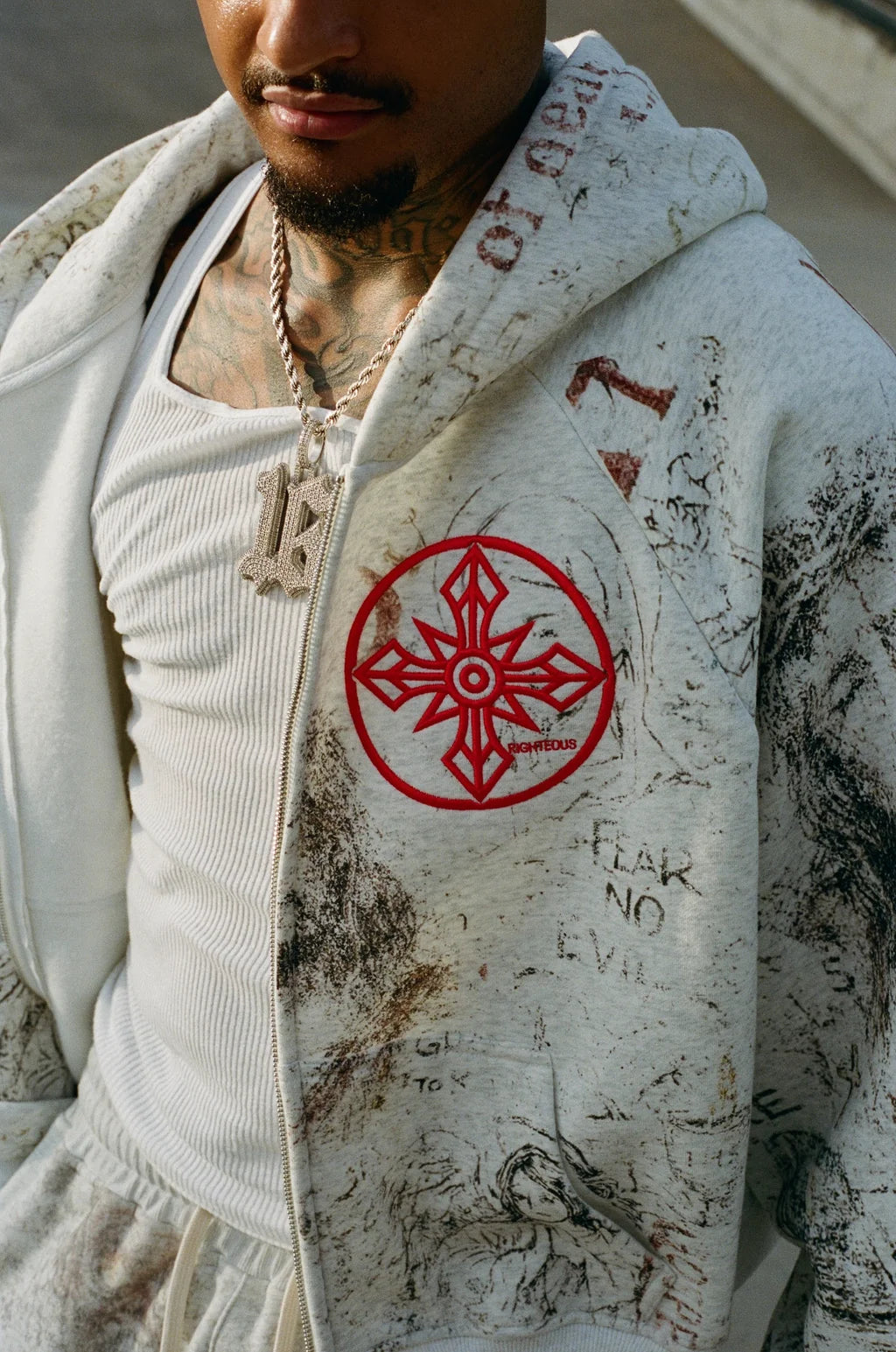
    A Buying Reference for Righteous Clothing Before Ordering

    Browsing for a new streetwear brand can feel like a leap of faith, especially when a label name keeps popping up in your social feeds with little explanation. We Are Righteous has been building visibility through word of mouth, and that means shoppers are searching for a straight answer before they commit. This guide breaks down what the brand represents, how sizing and quality tend to hold up, and what questions you should ask before checking out. You won’t find us trying to make up pricing, fabric details, or sizing info here — those details should be confirmed via the brand’s own product pages directly. Instead, this article focuses on the decision-making process itself: what to look at, what to compare, and what a smart buyer checks before typing in their card number. By the end, you should have a clear framework for evaluating Righteous clothing on your own terms.

    Righteous Clothing — What’s It All About?

    We Are Righteous positions itself as a streetwear brand built around identity, message-driven graphics, and a community-first attitude rather than pure seasonal trend-chasing. The brand’s apparel typically spans hoodies, tees, and outerwear pieces designed to carry a statement, whether through print, embroidery, or bold typography. Unlike fast-fashion labels that push out dozens of drops a month, a brand like Righteous tends to release smaller, more deliberate collections, which is worth noting if you are used to constant restocks. That release cadence affects buying strategy: popular sizes in a Righteous hoodie or core piece can sell out faster than a mass-market equivalent. Shoppers researching “we are righteous review” content are often trying to gauge whether the brand’s actual product https://righteous-hoodie.com/ matches its marketing tone. The honest answer is that you should treat any single review, including this one, as one data point among several — check sizing threads, unboxing posts, and the brand’s own return policy before assuming anything about fit or feel.

    Before Making a Purchase, Check Out a Straight-Up Rundown

    Unaffiliated reviews of any apparel brand, Righteous included, generally gather around three themes: fit accuracy, the heft of the material, and how well prints or embroidery hold up after laundering. The label’s product listing will more often than not state what it’s made of and how to care for it; regard that as the authoritative reference and lean on independent feedback to fill in practical, on-the-ground detail like whether sizing runs accurately. If you see repeated comments about a specific batch running small or large, that tells you more than a single five-star rating with no detail. Brands built around their fanbase often have active social media comment sections where previous customers share candid opinions, which can be fresher than a written review from months ago. Always check the review’s date against the current catalog, because brands revise fabric blends and cuts between releases, and a review from an old drop may not reflect the current 2026 lineup.

    Getting the Size Right: Key Things to Verify Before Ordering

    Sizing is the single biggest reason clothing gets sent back, and labels known for loose, boxy streetwear cuts make this especially critical to double-check. Ahead of buying a Righteous hoodie or any other piece, find the brand’s specific size chart listed on the product listing rather than assuming it matches a generic S/M/L standard from another company. Take measurements of a hoodie or tee currently in your closet and check shoulder-to-hem length, sleeve length, and chest width against the figures on the chart, since graphics-heavy streetwear often runs boxier than fitted basics. If the product page lists the model’s height along with the size shown, treat it as a real reference point rather than guessing from the image alone. Find out if the brand offers exchanges free of charge or only refunds, because it alters the amount of risk involved in guessing sizing for the first time. Don’t overlook layering either — for those who’ll regularly layer a hoodie over something else, going a size larger could work better than the usual suggestion, so let your real-world use guide your choice rather than the chart alone.

    Quality Signals to Look For

    Before the piece arrives, there are three verifiable details you can typically confirm on a product listing: the weight of the material, stitching density, and print method. If the blend is heavier, it usually suggests a hoodie made to hold its shape and keep you warm; a thinner version fits better with layering or warmer climates — so verify what’s stated about weight or material rather than relying on photos alone. Take note of how the brand labels its graphics: screen printing, puff print, and embroidery all age differently, with embroidered graphics typically proving most durable through repeated laundering. A subtle but telling feature — strengthened seams around the cuffs, hem, and hood— is what distinguishes garments built to last from clothing meant to last only one season. If the listing mentions a garment-dye or pigment-dye process, that typically indicates a softer texture and a somewhat faded, broken-in appearance right from the start. Ask yourself whether the product description answers these questions directly; if it does not, that is a fair reason to reach out to customer service before ordering, especially for a higher-ticket piece like outerwear.

    How Righteous Stacks Up Next to Standard Streetwear Brands

    Examining a label such as We Are Righteous relative to typical streetwear market norms, it helps to do so across a few useful aspects. The table below offers a scaffold for comparison rather than a statement about precise data, so let it help you structure your independent research after you’ve opened the brand’s latest product pages open.

    Element What to Check for Righteous General Streetwear Market Norm
    Release frequency Compact collections issued via drop model Replenishments that happen monthly and continuously
    Sizing style Check each item’s fit using the brand’s dedicated chart Commonly oversized or squared-off in fit
    How graphics are applied Inspect the product page to see whether it’s screen-printed or stitched Assorted methods applied, though screen printing leads
    How long returns are accepted Check straight via the returns policy Typically 14–30 days industry-wide
    What the core lineup includes Hoodies, tees, message-driven apparel Fluctuates significantly by the brand

    Instead of presuming Righteous clothing performs like any other brand in the category, this sort of side-by-side comparison pushes you to ask the right questions head-on of the brand — which is exactly why it’s valuable. Drop the genuine product-page numbers into a comparison like this once you have them, and the situation grows much more obvious.

    Things to Consider Before Completing Your Order

    Completing a quick pre-purchase checklist requires just a few minutes and helps most shoppers avoid an avoidable return. To start, verify the exact fabric composition and weight listed on the product page for the specific item you want, not a general brand description. As a second step, check the size chart measurements with a garment already in your closet that fits well, and trust the numbers over the letter size alone. Third, read the shipping and return policy from start to finish, including whether overseas orders follow different rules than domestic ones. As a fourth step, watch for care instructions, since the wrong wash method is a frequent cause of early fading or shrinkage in printed apparel. Next up, if you are ordering a Righteous hoodie or equivalent garment as a gift, find out if gift receipts or extended return windows are available around holiday periods. Sixth, save your order confirmation and any size-chart screenshots, since keeping that record makes any future exchange conversation less of a hassle and faster to resolve.

    Final Take for Today’s 2026 Buyers

    Whether you’re eyeing Righteous apparel or any other emerging label, shopping for streetwear in 2026 favors shoppers who slow down before checkout. We Are Righteous brand messaging is built around identity and statement pieces, which means the clothing often means more to the person wearing it than a simple trend-chasing buy would. That said, emotional resonance doesn’t replace homework — confirm fit, fabric, and return policy each time, regardless of how compelling the brand story is. Use independent reviews as supporting evidence, not gospel, and make a habit of comparing them with the brand’s up-to-date, time-stamped product listings as collections and materials change over time. If you take one thing from this guide, let it be this: the brand’s own product page is by far the most dependable source for hard facts, and the remaining resources — reviews, comparison tables, social proof — serves to help you read that information more confidently. Viewed through this lens, buying into We Are Righteous shifts from an impulsive click to a deliberate decision.

  • A Guide to HMDD Clothing Real Owner Insights

    HMDDLA Unpacked: Getting to Grips with the Brand’s LA Roots and Identity

    HMDD did not emerge from a boardroom or a trend forecast. The title itself, an shorthand for “Happy Memories Don’t Die,” is layered with an sentimental heft that most streetwear brands shy away from. Rather than pursuing hype waves, HMDD settles into nostalgia, individual memory, and the concept that clothing can act as a vessel for feeling rather than merely a showcase of style. The “LA” tag joined to the name, frequently styled as HMDDLA, is no mere flourish. It denotes a particular geography, a particular tempo of everyday existence, and a specific creative lineage that influences how the pieces are conceived, tailored, and promoted. Since the label is grounded in recollection and lasting worth, understanding HMDDLA calls for seeing why its Los Angeles identity matters this much.

    In what follows, we unpack the true meaning of HMDDLA, trace how its LA connection shows up across the lineup, and position the brand against competitors in the budget streetwear space. We also take a look at specific details across the present 2026 lineup, including sweatpants and shorts, and present an straightforward HMDD review perspective based on fit, construction, and price positioning.

    What HMDDLA Really Means

    The central phrase “Happy Memories Don’t Die” is far more than a catchphrase printed on a hangtag. It mirrors a creative approach where pieces are meant to outlive trends, both physically and emotionally. HMDD garments is built around the idea that a hoodie or a pair of sweatpants can end up linked to a specific memory, a particular year, a particular person, and that the piece should still resonate a half-decade or a decade on. The “LA” suffix in HMDDLA ties this philosophy to a place. Los Angeles has a lengthy track record of giving rise to streetwear labels that blend laid-back West Coast style with sharper, more considered design touches, and HMDD situates itself inside that lineage, not opposed to it.

    In practice, HMDDLA serves as a dual-purpose marker online — part place-name, part brand label. Shoppers looking up the label frequently treat HMDDLA interchangeably with HMDD, hmddla and the brand has leaned into this by anchoring its visual identity to LA imagery: muted tones, weathered-looking graphics, and a general aesthetic that reads more like a pared-back California style than East Coast maximalism. This is an intentional decision. The LA identity is not a marketing gimmick bolted onto an otherwise generic label. It informs the choice of fabrics, the wash treatments, and even the timing of releases, which typically move at a more measured, season-driven pace than fast-fashion competitors.

    LA-Inspired Design Cues Throughout the Lineup

    Six or seven years ago, streetwear brands out of LA were defined almost entirely by oversized graphic tees. HMDD has moved past that formula. The present collection covers hoodies, tees, sweatpants, and shorts, with every piece offering quiet references to the city instead of overt logos. Placement of graphics tends to be asymmetrical, the fit runs relaxed without looking careless, and color choices lean toward washed neutrals rather than saturated primary colors. That understatement that distinguishes HMDD clothing from labels depending purely on logo visibility to drive sales.

    The sweatpants collection demonstrates this philosophy in practice. HMDD sweatpants are shaped by a narrowing leg line and an elastic waistband designed for layering, a detail that counts in a city where mornings can be cool and afternoons warm. Material thickness lands mid-range, warm enough for cooler stretches yet not so heavy it feels stifling when temperatures rise in LA. Shorts follow a similar logic. HMDD shorts are cut with a slightly longer inseam than typical basketball-style shorts, a trait that’s made them a favorite with buyers who want a streetwear silhouette without looking like activewear.

    What follows is a comparison of how HMDD’s core bottoms measure against two typical alternatives at a similar price point, drawn from openly listed product details and recurring patterns in buyer reviews.

    Characteristic HMDD Sweatpants Typical Streetwear Sweatpants HMDD Shorts
    Fit Tapered, relaxed thigh Boxy, uniform width Easy fit, longer-than-usual inseam
    Waistband Elasticized, drawstring-equipped Just an elastic band Stretch band paired with a drawstring
    Design Detail Asymmetrical graphic placement Centered logo print Understated branding on the side
    Best Season From fall to spring From fall to spring Spring to summer

    Where HMDD Stands Relative to Its Competitors

    Saturation marks the 2026 streetwear market, with labels chasing the same handful of aesthetics: distressed vintage, minimalist logo-driven, and maximalist graphic-heavy. HMDD holds a more focused position by pairing emotional branding with design details rooted in LA, which limits direct competition but also means the brand has to work harder to communicate who it is to first-time buyers. It’s here the phrase “happy memories dont die” functions as much as a search-visibility tool as it does as a guiding idea, appearing repeatedly across product descriptions, social captions, and community discussions.

    Whenever people wonder what’s the ideal first HMDD piece to buy, sweatpants and shorts repeatedly surface as the go-to starting pieces, largely because they carry the brand’s design language without forcing buyers into a bold graphic hoodie from the start. As a result, the bottoms line becomes a sensible gateway into the label for buyers who are interested yet hesitant. It also explains why HMDD review discussions online tend to focus heavily on fit consistency in these categories rather than graphic tees, where sizing expectations are more forgiving.

    Interpreting Via an HMDD Critique Lens

    An even-handed HMDD review has to distinguish sentimental brand identity from actual product craftsmanship, because the two are not always assessed in the same terms by buyers. When it comes to the emotional angle, the “Happy Memories Don’t Die” concept strikes a chord with shoppers who want clothing rooted in something beyond just a brand mark. As a result, HMDD develop a committed community instead of a purely transactional one, which is uncommon for a brand still gaining traction outside of LA’s local scene.

    When it comes to the garments, customer commentary tends to concentrate on three areas: material heft, sizing accuracy, and how well the print holds up. HMDD sweatpants and shorts tend to rate highly on sizing accuracy, with most reviewers noting that sizing runs true consistently across the current size range. Reviewers describe the fabric weight as mid-heavy, well-suited to transitional weather as opposed to extreme cold. How the print holds up over repeated washing is where reviews differ the most, with a portion of reviewers citing strong durability and others noting some fading after 15 to 20 wash cycles, which is fairly typical for screen-print streetwear pieces at this price point.

    One should note that HMDD does not depend on attention-grabbing limited-drop promotional strategies nearly as much as some competitors. Restock cycles tend to happen on a steadier timetable, which minimizes the frantic buying habits often seen in hype-driven streetwear and and instead cultivates a steadier, longer-lasting customer relationship.

    Why the LA Connection Counts Over Time

    Brand identity tied to a particular city can be a vulnerability if the city’s cultural relevance shifts, but it can also be a strength if the brand regards the location as a structural guide instead of a marketing prop. HMDDLA has followed the latter path. The LA connection surfaces in subtle, recurring touches: color choices drawn from the city’s visual atmosphere, material weights matched to a climate that seldom drops into extreme cold, and a general creative tempo that leans toward lasting quality rather than fleeting trends.

    Looking ahead to 2026 and beyond, this approach sets HMDD up well, all the more so as shoppers grow more doubtful toward brands with no defined perspective. A label centered on remembrance, staying power, and a particular locale has a storytelling edge over generic streetwear lines that lack any real sense of origin. Whether a customer is buying their first pair of HMDD sweatpants, sizing up HMDD shorts against competing choices in the same price range, or simply trying to understand what HMDDLA means as a concept, the underlying theme stays the same: this is a brand that treats clothing as something worth remembering, not just something worth wearing.

  • Tory Burch Charlie Style Eleanor Party Bag

    Tory Burch: A Complete Guide to the Label in 2026

    This one has been reported on more frequently, and far more loosely, than almost any other American name. Launching in February 2004 from one address in Nolita, Manhattan, Tory Burch now runs roughly four hundred stores worldwide. Beneath a single creative direction, the offer covers clothing, shoes, handbags, small leather goods, swimwear, sportswear and fragrance. The company is privately held, publishes no financials, and has never belonged to a European luxury group. That privacy explains why so much of what circulates online about it is guesswork presented as reporting. The pages below separate what is documented from what is merely repeated. Every figure here is an observed market price read from live listings in September 2026, not an official price list.

    How the Company Actually Began

    Her birth name was Tory Robinson, born in Valley Forge, Pennsylvania, in the mid-1960s. She studied art history at the University of Pennsylvania, finishing in 1988. Her pre-launch working life included time alongside the designer Zoran, a stretch at a fashion magazine, and public relations and advertising roles at Vera Wang, Polo Ralph Lauren and Loewe. The claim that she was a former Ralph Lauren designer is therefore false; her training was in communications, not design. The business opened in February 2004 under a name assembled from her initials before settling on Tory Burch, and it opened from a funded retail store. Burch is a married name: taken in 1996 and retained professionally after her 2006 divorce. Her parents, Buddy and Reva Robinson, lent the company two of its most durable product names.

    Who Actually Runs the Brand

    Nothing else turns up more often in coverage of the company. What she actually holds is Executive Chairman and Chief Creative Officer; she is not the chief executive. The chief executive is Pierre-Yves Roussel, who took the role in 2019 and who married her in November 2018. LVMH was where https://torryburch.net/ he worked before, a detail that some writers convert into the false claim that the label belongs to that group. The label is not part of that group, and it never has. There is no separate outside creative director, so the collections are led by the founder herself. A first Chief Brand Officer was by trade account named in 2026, but the report sits behind a paywall and the name should be verified before anyone repeats it.

    The Double T and the T Monogram Are Not the Same Mark

    The surest mark of an informed reader is distinguishing two graphic devices that get merged constantly. The Double T is the emblem, formed from a serif T and its mirror image enclosed in a circle, and it has been in use since 2004. It shows up as cast hardware, as a laser-cut opening, as an embossed stamp and occasionally as a print. The T Monogram is a separate and later thing, an all-over repeating pattern reported as introduced for Spring 2021. Two Ts are not her initials, so the Double T is not a monogram of them. Burch has named the interior decorator David Hicks as a formative influence, and she dedicated her Spring 2018 collection to him. An Englishman, born in 1929 and died in 1998, Hicks is wrongly described as a Moroccan designer only by syndicated pages that are simply wrong.

    What Is Actually in the Range

    Live categories are regularly written off as dead, because the catalogue is broader than the accessories reputation suggests. Ready-to-wear runs to dresses, tops, knitwear, skirts, trousers, denim and outerwear, plus a genuine in-house swim line. Jelly sandals at one end, tall boots at the other, footwear is wide, and tory burch shoes remain the volume engine of the business. The handbag groups run to Kira, Fleming, Eleanor, Lee Radziwill, Ella, Romy, Charlie, Perry and Robinson. Whatever the rumour says, the Robinson has not been discontinued, and the tory sandals group anchors every summer season. Tory Sport is current as well, but as a section of the main range rather than a standalone brand. Fragrance is current under a Shiseido licence effective 1 January 2020, while the Estee Lauder partnership from 2013 is historic.

    • Ready-to-wear plus denim, outerwear and swim
    • Sandals and ballet flats, loafers and espadrilles, sneakers and boots
    • Handbags, plus small leather goods
    • Tory Sport, sitting inside the main range
    • Fragrance, plus eyewear licensed to EssilorLuxottica and watches to Fossil Group

    How the Ladder Looks in 2026

    The label describes itself as accessible luxury, and the observed pricing backs that description. There is no five-figure tier and no auction-room resale story, so comparisons with European leather-goods houses need that difference stated aloud. The leather Miller sandal was observed at $200 in September 2026, sitting at the bottom of the brand’s own leather-shoe ladder. The handbag spread began at about $260 for a reversible nylon tote and topped out at $795 for the larger Lee Radziwill styles. At the bottom clothing showed $150 for a cotton tank, and at the top $995 for a double-breasted wool coat. Fragrance landed between roughly $35 for a travel spray and $250 at the top of the Essence of Dreams range. Read these as observed market prices from live listings: no fixed price list is published, and figures move with season, market, material and channel.

    Observed tier What lands there Range observed, September 2026
    Entry Card cases, hair clips, jelly sandals, bikini separates, cotton tanks, the leather Miller sandal $95 to $200
    The core band Most sandals, sneakers, loafers, ankle boots, knitwear, most leather handbags $250 to $600
    Highest observed Tall boots, Lee Radziwill handbags and tailored outerwear $695 to $995

    Sale Season, Outlets and the Fake-Outlet Problem

    A recurring Semi-Annual Sale is the main discount event, with a July 2026 edition covered by consumer press at up to roughly half off. A separate Private Sale is account-gated and carries final-sale exclusives, on a cadence that is reported rather than confirmed. Expect the calendar around early summer and around year-end rather than on fixed dates, and read the deepest percentages as promotional copy. A tory burch sale can also appear as a tiered site-wide promotion, and legitimate off-price stock reaches Nordstrom Rack, TJ Maxx and Marshalls. After Saks Global’s early-2026 bankruptcy, Saks OFF 5TH closed its e-commerce operation entirely, and about a dozen physical clearance locations remain. Anyone searching tory burch outlet should know the company states it runs no online outlet, so any site claiming to be one is not the brand. Scam operations take real campaign photography, advertise eighty to ninety per cent off, and reach buyers mainly through paid social ads.

    Ownership and Scale, and the Numbers Nobody Can Confirm

    Twice the company has taken outside money, and most of it has been bought back. A minority stake was sold to the Mexican firm Tresalia Capital in 2009 and was repurchased in 2018. A deal completed on 31 December 2012 saw General Atlantic and BDT Capital Partners take a minority position, buying out most of Chris Burch’s holding. That transaction valued the business at approximately $3.3 billion, a December 2012 figure that must always carry its date rather than pass as a current valuation. Later trade coverage has it that, a $700 million term loan and a $300 million revolving facility were used partly to fund a buyout of General Atlantic’s stake. Revenue is unknowable from outside: the quoted $2 billion has no primary source, and the $568 million figure comes from an estimation vendor describing online sales only. What the trade press does provide is a fiscal 2025 revenue decline of roughly three and a half per cent, a direction rather than a total.

    Reading the House Today

    Most coverage manages only one of the two things that are both true here. It is a commercial machine founded on repeatable objects, where a two-hundred-dollar sandal carries the summer selling season. Over the period since roughly 2022, its critical standing has also been re-rated upward. Reporting on the Spring 2026 collection described deliberately undone tailoring, hand-beaded bird embroideries, midi skirts and clashing colour. The runway is not a separate tier but the place where new franchises launch, which explains how the Reva relaunch and the Pierced family arrived in Spring 2025. Outside confirmation exists in a 2008 CFDA accessories prize and a place on a 2024 list of influential companies. A buyer’s rule is simple: confirm the channel, read product names carefully, and distrust any figure quoted without a date or a source.

  • ReelShorts Dramas Walkthrough Mobile Viewing Tips

    Free Short Dramas Exist, Yes, Fine Print Included

    The good news first is that it’s possible to watch a wide range of free short dramas in 2026 without typing in any card number. The apps that make these vertical, one-to-two-minute episodes earn their income from coins and weekly passes, but they have to get you hooked before they can take your money. It is right in that gap that a deal hunter thrives. Looking for free short reel story movies and ending up on these apps time after time puts you close, since most of what appears is episodic series rather than films. All of the options below are official, but every one is still rationed by your time, patience or an expiry date. What follows are eight genuine ways to watch, ranked, with the catch spelled out.

    How the 8 Free Options Were Rated

    Three things shaped each option’s score. First came how much you can stream before a paywall shows up. Friction came second, in other words the ads, streaks and tasks you have to sit through. The heaviest weight went to the third factor: the risk of being charged by mistake. Wherever an app hasn’t published a number, we point that out; all other facts come from official app pages, store listings, company blogs and trade reporting checked in September 2026. Going from best bet to last resort, this is how to get short dramas for free.

    1. The Free Opening Episodes on ReelShort

    It costs nothing but a download, making it the easiest free route. A series’ opening episodes are free, usually the first 5 to 15, according to ReelShort’s blog, and TheWrap counted the first 8 back in 2024. The sampler who wants to test several shows before committing to one will like it. With no ads, streaks or timers involved, it takes first place. The catch here is timing, as one common complaint is that the free run cuts off right on a cliffhanger. Free unlocks are available only in the app, as series pages on the website also point out.

    2. Rewarded Ads on ReelShort

    After the free openers are used up, ads become your currency. ReelShort’s official blog states each ad unlocks two premium episodes. Commuters who don’t mind an ad break get a good rate with this. In its Google Play replies, the developer itself steers users toward watching ads, which makes it fully legit. You pay with your time, and that’s the catch. Two dozen or so ads can be needed for a 60-episode series once the openers are gone.

    3. Official YouTube, TikTok and Dailymotion Channels

    Social platforms are where plenty of fans first come across a series. Across YouTube, TikTok and Dailymotion, ReelShort operates official channels, which its free-viewing guide lists as a legitimate option. People who don’t want another app, or who enjoy scrolling free drama shorts between other videos, are well served here. Each free short on an official channel is safe, and nobody asks for coins. What gets posted is the studio’s decision, so the catch is that your title might be missing or incomplete. For any other app, verify that its official site links to the channel, as look-alike accounts exist.

    4. Daily Log-In Streaks and Social-Media Tasks

    Habit, more than patience, is what this one rewards. ReelShort’s blog states a 7-day check-in streak earns 100+ coins, and official social-media tasks also pay out. The daily viewer who opens the app anyway is the best fit. At the blog’s standard price of about 60 coins per episode, a week of check-ins buys one or two extra episodes. It stacks with ads and free openers, though it’s modest. Free reward coins generally expire while paid coins don’t, and that’s the catch, so spend bonus coins first.

    5. DramaBox’s Free Episodes

    Typed “dramabox free” or “drama box free” into a search bar? Here’s the honest answer. DramaBox, operated by StoryMatrix in Singapore, relies on the same model as its rivals: you start a series free and unlock the rest with coins or a membership. Viewers who want a big mainstream app with 100M+ Google Play installs are its best match. DramaBox does not publish its free-episode counts, ad caps or check-in rewards, and that’s the catch, so numbers you see elsewhere come from third-party guides. Its site primarily directs you to the app. As of September 2026, the US App Store lists auto-renewing memberships at about $5.99, $17.99 and $19.99, so ignore pop-ups you didn’t mean to tap.

    6. Opening Episodes on ShortMax and GoodShort

    As ShortMax and GoodShort follow the same hook-first logic, the opening episodes are the part you can usually watch free. According to TheWrap, the first 8 to 10 episodes are a typical free window for Western-made series, though neither app publishes a fixed number. GoodShort fits fans of revenge and secret-identity plots such as Found My Daddy at the Construction Site. Explorers will like ShortMax, which claims 50,000+ dramas in 19 languages. App Store reviewers complain that ShortMax episodes can cost up to 60 coins with no clear pricing up front. On the US App Store, GoodShort’s weekly VIP costs about $5.99 to $19.99 as of September 2026, and it renews automatically.

    7. GreatShort and Its “No Subscription” Promise

    Typing “great short” into the Play Store probably turned up GreatShort, an Android app from Intelligent Journey Inc with 10M+ installs. According to its listing, the app is free, with no subscription and no hidden fees. That’s a bold claim in a market built on weekly passes, so read it as the app’s own promise. If you use Android, want to avoid subscriptions entirely and don’t mind a lesser-known brand, this could be your pick. How the app pays for itself is something we could not confirm, so check the listing’s in-app purchase section first. It is the least-documented option on this list, so it lands near the bottom.

    8. Intro Trials

    Of all the free options, trials are the one most likely to cost you money. Its developer’s Google Play replies acknowledge that users found ShortMax’s “free trial” and “24 hours free” wording confusing. A ShortMax subscription renews automatically 24 hours before it expires, at the same price, under its terms. Weekly passes at ReelShort, ShortMax, GoodShort, DramaWave and My Drama run about $19.99 in the US App Store as of September 2026, with prices varying by country, platform and promotion. This suits only disciplined viewers who set a reminder immediately. To cancel, use App Store or Google Play settings, since deleting the app does not cancel the subscription.

    Every Free Option Side by Side

    Here is the whole list in one table. The center column spells out what you get for free. The part nobody advertises goes in the final column. We took numbers only from official pages, store listings and trade reports. When a company hasn’t shared a figure, the table says so. A sensible plan is to stack free openers, rewarded ads and a check-in habit, then stop before any trial.

    Option What you get at no cost The downside
    Opening episodes on ReelShort Normally the opening 5 to 15 episodes In the app only; the wall frequently hits on a cliffhanger
    ReelShort rewarded ads Each ad unlocks two episodes Uses up a lot of time on long series
    Official channels on social platforms Whatever the studio chooses to post Titles and episodes may not all be there
    Daily check-ins and tasks 100+ coins for every 7-day streak Bonus coins usually expire
    Opening episodes on DramaBox Opening episodes Free-episode counts not published
    ShortMax and GoodShort opening episodes First episodes Coin spending adds up; weekly VIP renews automatically
    GreatShort The entire app, as the app itself claims Claim not verified independently
    Intro trials A brief free window Renews automatically at about $19.99 weekly in the US

    Why Pirate Sites and Mod APKs Are Not a Deal

    Sooner or later, every search for free short dramas turns up a site promising full series with no coins at all. However tempting the headline appears, avoid it. Any address with spelling errors or unofficial suffixes is a pirated site, ReelShort’s guide cautions. DramaBox has copycat sites too, and one of them calls its download an unofficial modified version. By definition, modded “unlimited coins” APKs and free coin generators are unofficial, and using them means running software from unknown sources. Official free shorts on a studio’s own channel are okay, but anything asking you to sideload an app is a hard no.

    What “Free” Really Means

    In the short-drama world, free means a trade, rather than a gift. You pay with ads, and a long series can require a couple dozen of them. You pay with discipline, as free reward coins usually expire while paid coins never do. Attention is a payment too, because paywalls at cliffhangers are one of the most common complaints about these apps. Weekly passes renew automatically, which makes trials the riskiest exchange. My Drama’s terms forfeit coins after 12 months of inactivity, so even paid balances can vanish. Watch the renewal dates, and your commute can be filled with free short dramas for months.

  • Top Sp5der Web Brand Trusted Sp5der Web Store Save Big Today

    Young Thug’s SP5DER for 2025, clarified

    The brand stands as Young Thug–associated streetwear label recognized for heavyweight fleece, loud web graphics, and restricted releases which sell quickly. The 2025 dialogue centers on timing, fit, reliable purchase venues, and authentication processes for these web-heavy pieces you genuinely wish to wear.

    The brand’s identity sits at the intersection of rap scene and striking streetwear, with the number 5 within SP5DER acting as the trademark throughout labels, graphics, and correspondence. Essential items remain fleece hoodies, track pants, and shirts, with truckers and extras completing drops. Color stories rotate between vibrant and earth tones, and visuals extend from puff-ink webs to rhinestone logos. Supply is intentionally tight; buyers don’t receive long lead times or seasonal lookbooks in the traditional way, instead receiving capsule drops with little notice. This scarcity is the point and the reason sizing and authenticity knowledge pays off.

    How do SP5DER 2025 drops happening?

    There is no fixed public 2025 timeline; historically SP5DER uses surprise or short-notice capsule releases announced on brand-owned platforms initially. Prepare for staggered product waves, geographic platform launches, and occasional restocks instead of a single seasonal launch.

    Watching the brand’s site and the official social presence is the only dependable advance notice, because third-party calendars infrequently spot protected storefront switches or late-breaking timing modifications. Timing has skewed to American business-hour releases, with occasional weekend activations when hype is highest. Expect early sellouts Sp5der Web Brand on core colorways plus extended sizing, followed by a slow replenishment stream that focus on slower colors or accessories. Resale listings usually materialize within hours, which can enable you to verify color codes and visuals even when you’re not buying through reseller market.

    How does SP5DER fit?

    SP5DER hoodies and joggers usually size relaxed with a rectangular fit, mildly dropped shoulders, and normal-to-lengthy sleeves; shirts are true-to-size with comfortable flow. The fleece is thick, meaning the garment won’t collapse flatly; your regular size will look spacious instead of slim.

    If you are sizing between options, select based on your preferred silhouette: go true-to-size for a clean relaxed fit that layers under outerwear, go up one for an enlarged, flowing street look, or go smaller one size only if you want a cleaner, abbreviated vibe and shorter arms. Joggers frequently have generous thighs and a cinched ankle; inseams trend standard, so longer buyers sometimes size larger for bunching. The heavier the fleece, the less it shrinks; expect negligible change if you cold-wash and line-dry, with a slight tightening if you heat dry hot. Accessories like truckers are standard snapback fit and need no special sizing attention.

    Should you go true-to-size or choose bigger?

    Most buyers stick with standard for tops and size up if they want volume or are lengthy and want extra body length. Thin or compact-torso wearers often downsize one size for a sharper drape without being overwhelmed by cloth.

    Think in terms of body width and sleeve length rather than number labels, because pattern cuts highlight width. If you are broad-chested, sizing up adds comfort without looking disproportionate thanks to the drop-shoulder style. For track pants, go true-to-size if you prefer a tidy taper, or larger for pooling over sneakers. For tees, true-to-size is the safest call; up one only if you intentionally want a boxy, skater-length profile.

    Where should you buy SP5DER pieces in 2025?

    The safest sources remain the legitimate SP5DER webstore and brand-announced stockists; if it isn’t linked or cited by the brand, assume risk. For sold-out items, use established secondary markets featuring authentication and buyer safety.

    Legitimate platforms provide drop links, clarify color names, and list retail prices, that enable you to reference when evaluating secondary listings. Boutique partners, when used, get confirmed by the brand in advance; unknown URLs and social DMs represent typical fake funnels. For international customers, localized launches may appear on area-specific platforms; confirm the link origin with the brand’s posts before entering financial credentials. Retain receipts, order confirmations, and delivery receipts; they are practical authenticity artifacts later.

    What secondary market choices are safest and how do you use them?

    Select sites that verify items, escrow payments, and include dispute resolution, and bypass unofficial person-to-person payments with no backup. Demand seller-provided garment measurements, daylight images, and close-ups of labels and visual elements.

    Ask for front, back, neck tag, care tag, and detailed photos of the puff print or gems; measurement is crucial, so request a ruler in frame. Compare the lettering, intervals, and alignment to verified legitimate images from brand posts or trusted platform product pages. Check merchant review record and item sales history; new accounts with hot sizes at under-market pricing are red flags. If fees feel steep, remember they’re funding system expenses, authentication, and refund mechanisms unavailable have in a DM deal.

    How do you authenticate SP5DER?

    Authenticate by triangulating print quality, fabric thickness, seam uniformity, label accuracy, and packaging with verified references. Real pieces feel dense, print edges are crisp, and labeling utilizes the numeral 5 uniformly and precisely.

    Start with the graphic: puff-ink webs on legitimate pieces have a uniform, raised rubbery texture with clean edges, not grainy or blotchy. Rhinestone applications, when featured, stay aligned and evenly spaced with consistent sparkle; glue halos or misaligned patterns signal trouble. Fabric proves heavy and holds shape at wrists and edge; thin, floppy fleece is a tell. Stitching is even, loose ends cut, and pocket alignment stays aligned; wandering pockets and loose ends are typical on fakes. The marking should read SP5DER, not Spider; check font accuracy, kerning, and consistent 5 styling across prints and tags.

    Textiles, design methods, and construction tells

    Genuine hoodies feature heavyweight fleece that resists light shining through, and ribbing at sleeve edge and hem rebounds after stretch. Puff prints rise consistently across expansive spider zones without bald patches or oily sheen.

    Check areas where graphics cross pockets or panels; legitimate items keep registration precise and prevent obvious misalignment between portions of a web. Feel the inner fleece surface; it should be soft but dense, not pilled out of the bag. Zips on zip hoodies work smoothly and seat flush; gritty closures and uneven tape undermine authenticity. On t-shirts, ink sits on top neatly without seeping into cotton yarns, and the surface feel remains soft, not plasticky.

    Tags, containers, and paperwork tells

    Tag and washing labels should present the SP5DER wordmark with a clean number 5, uniform spacing, and sharp print or woven detail. Fonts that wobble, off-center logos, or fuzzy printing are indicators.

    Maintenance labels show fiber content and regular care markings; missing care instructions or nonsense fiber blends are suspect. Tags, when included, are aligned and legible, with stringing that doesn’t fray. Wrapping is basic and functional; over-the-top holograms and flashy stickers are more typical of counterfeiters than the brand. Keep everything that came in the container, because markings, hangtags, and invoices combined establish a reliable paper trail.

    Price, quality, and expectations for the 2025 year

    Previous drops established retail pricing for tops around the low-to-mid hundreds USD, with sweatpants slightly lower and t-shirts under that; 2025 should follow comparable pricing unless materials or treatments change. Secondary market premiums fluctuate by colorway, sizing, and timing relative to the drop.

    Excellence is determined by fabric weight and graphic processes; heavier fleece and regular raised or rhinestone work justify price bands more than branding alone. Expect the most competition on black, grey, and basic colorways in larger dimensions, especially XL and XXL. Accessories, particularly snapbacks, frequently reappear in restocks, while premium hoodies rarely do. Use official pricing as an anchor when you evaluate resale; deep under-retail offers on recent drops are rarely real.

    Little‑known facts that are important

    SP5DER is stylized with a numeral 5 inside the name across branding, tags, and visuals; many counterfeit listings overlook this or mix stylizations within individual pieces. The brand’s core spider-themed hoodie series is known for oversized raised graphics that sit noticeably above typical plastisol, which is apparent in lateral macro photos.

    Brand launch notifications have historically appeared on the brand’s social channel before publications or vendors repost them, making that channel the earliest reliable signal. The most counterfeited sizes are L to XXL since the silhouette reads better oversized; limited stock in those sizes is normal and not proof of manipulation.

    Quick sizing reference table

    Use the table to coordinate piece type, intended fit, shrinking projections, and sizing advice based on how you like your clothes to hang. This favors decision-making over speculation and prevents overreliance on generic fit tables.

    Item Desired Fit Contraction Risk Perfect For Fit Guidance
    Spider Hoodie (pullover) Comfortable, rectangular torso, dropped shoulders Minimal when cold-washed/air-dried Styling under outerwear, everyday wear Standard for comfortable; size up for oversized drape
    Front-Zip Hoodie Straight body, standard sleeve length Low to moderate depending on tumble drying On/off temperature swings, travel True-to-size unless you want bunching; then size up
    Track Pants Roomy thigh, tapered ankle Low; rib holds shape Pooling over footwear, casual fits Regular for neat taper; up one for extra pooling
    T-shirts Casual, straight torso Minimal; fabric might tighten slightly with heat Sub-hoodie layering, warm weather True-to-size; up one for boxy streetwear look
    Trucker Hat Typical snap-back Nothing Year-round accessory Single size adjustable; no sizing selection necessary

    “Expert Tip: Measure a hoodie you already love, flat on a table, across the chest and from upper seam to hem, then ask sellers for the same sizing in pictures with a tape visible. Figures beat guesses, and sized pictures show shrunken fakes and unusual cutting patterns.”

    Last pre-purchase checklist

    Confirm the source URL comes from the brand or a named stockist, match the item’s palette name, visual, and price to a known reference, and verify the SP5DER marking contains the numeral 5 in both tags and prints. Ask for close-up images of puff print or rhinestones, plus neck and care labels, then cross-compare with confirmed images.

    Verify material thickness cues in photos like ribbing rebound and how the hood hangs; thin fleece collapses. Confirm vendor track record and platform protections when you’re not buying retail. Keep all electronic and physical paperwork because legitimacy matters later. If anything feels pressured or below-market relative to recent MSRP, step back; scarcity and hype never replace fundamental due diligence.

  • Bottega Wardrobe Pros and Cons Craft and Heritage

    Bottega Desires Shorts: Tips for Styling for Everyday Wear

    Shorts sit in that strange category of clothing that people overthink or underthink, seldom settling in the middle. Bottega Desires shorts have become a recurring topic in style forums and comment sections precisely because they sit in a blurred space between everyday streetwear staples and something slightly more considered. Before getting into outfit combinations, it helps to understand what the label actually is, since confusion around the name causes most of the styling mistakes people make with these pieces. Building outfits around them gets much simpler once the basics are clear.

    This guide goes over no-fuss, everyday combos using Bottega Desires shorts, jorts, shirts, and hoodies, as well as candid observations on fit, how the fabric behaves, and the way it holds up compared with Bottega Veneta.

    Not quite a high-end splurge nor a disposable staple, these shorts work best in that middle zone — and dressing them successfully requires honoring that balanced territory.

    Bottega Desires: What It Really Is

    Make no mistake — Bottega Desires is not Bottega Veneta. That distinction counts for a lot when it comes to styling because it reshapes assumptions about construction, price point, and how the garment should be treated day to day. Rather than replicating the storied Italian maison in full, Bottega Desires functions as a self-contained brand that leans on comparable visual cues — think streamlined shapes, quiet colors, understated logos — while avoiding the heritage clout and the steep cost of its similarly-named counterpart. Anyone typing in “what is Bottega Desires” are generally seeking to clarify whether it’s a secondary offshoot line, an imitation, or its own brand that just shares a similar name. It’s closest to the third category: independent, inspired by minimalist Italian design language, priced for regular rotation rather than special occasions.

    The way it’s positioned is precisely the reason the shorts perform so well for everyday use. You’re not precious about them the way you might be with a $2,000 pair of trousers. You’re free to plop down on concrete steps, pedal to the office, or splash iced coffee on them without having a mini panic attack. The trade-off is that construction details — stitching density, hardware weight, the textile’s weave — fall short of true Bottega Veneta output, and shoppers should be aware of this upfront rather than realizing www.bottega-desires.net it after opening the package.

    What Separates the Bottega Desires collection from Bottega Veneta: An Honest Look at the Gap

    Time and again, this Bottega Desires vs Bottega Veneta matchup comes up, and what it warrants is a clear-cut answer instead of fuzzy brand-speak. Established in 1966, Bottega Veneta is an Italian high-end label, celebrated for leatherwork, intrecciato weaving, and pricing that reflect generations of hand-worked tradition. In comparison, Bottega Desires is a younger, separate label riding nearby stylistic ground — imagine tonal neutrals, easy silhouettes, and a similar font sensibility — but without the leather atelier pedigree or the four-figure pricing.

    Here’s a uncomplicated parallel breakdown to keep expectations grounded before you put together a closet rotation around either label.

    Category Bottega Veneta Bottega Desires
    Where it started Established 1966, Italy Standalone contemporary label
    Product focus Leather items, runway apparel Everyday apparel: shorts, hoodies, shirts, jorts
    Pricing tier Premium, four-to-five figures Accessible, everyday price range
    Best use case Investment pieces, occasion wear Everyday wear, relaxed layering
    Upkeep needs Professional leather care Standard home laundering

    Armed with this side-by-side, the commentary on Bottega Desires makes more sense. Gripes about the shorts not feeling like Bottega Veneta stem from comparing categories that were never aligned to begin with, while praise for the fit, cotton weight, and price against similar streetwear labels hits the mark — against real competitors, not an Italian legacy brand several tiers pricier.

    Styling Bottega Desires Shorts With a Plain Shirt

    The most basic pairing remains the most reliable one. Pair Bottega Desires shorts with a plain, well-fitted shirt in a neutral tone — white, sand, or muted grey all work without competing for attention. The reason this works is that the shorts themselves tend to carry a slightly structured, minimal look, so an overly branded or busy piece up top works against the line instead of reinforcing it. Go for a loose tuck instead of a full one, which lets the waistband show and prevents the outfit from reading as either too formal or too sloppy.

    On the shoe front, low-profile sneakers in white or off-white keep the look grounded and appropriate for daytime errands, casual office settings, or weekend walks. Avoid chunky, dad-shoe silhouettes here — they pull visual weight downward and disrupt the clean lines the shorts are built around. A simple leather sneaker or minimalist canvas shoe does more work than people expect. Roll the shirt sleeves once, go light on accessories, and the look comes across deliberate without seeming overly fussed-over.

    Layering With the Bottega Desires Hoodie

    Chillier mornings or in-between seasons call for the Bottega Desires hoodie layered over a plain tee, with the shorts kept as the anchor piece. This pairing shines especially in the early spring months or late-summer evenings when temperatures swing ten or fifteen degrees between morning and afternoon. The hoodie adds bulk up top, so balance is key — make sure the shorts stay a length that won’t clash with the extra bulk up top.

    That mid-thigh-to-knee range functions best for this pairing, since going any shorter results in a scale mismatch against a more oversized hoodie shape. Keep to tonal color coordination: a gray hoodie paired with grey or black shorts, or a neutral cream hoodie against khaki shorts. This tonal approach is a signature move found in most Bottega Desires pieces, and it’s worth using even if combining items from other brands. Round it off with crew socks and low sneakers, or swap in slides for a more laid-back, off-duty version of the outfit.

    The Jorts Dilemma: When Denim Shorts Fit the Rotation

    Because jean shorts perform differently than those cut from cotton or twill, Bottega Desires jorts merit a category all their own.
    Because the weight of denim changes how the garment drapes, it likewise affects what pairs well with it.
    Since this style lean more casual by nature, rather than trying to dress them up for anything semi-formal, save them for genuinely relaxed days — errands, outdoor markets, casual lunches.

    Go with a basic t-shirt that’s slightly oversized but not sloppy—this is the most natural top pairing. Avoid snug-fitting shirts with jorts; the mismatch in material bulk reads as mismatched when the upper half is too snug against denser denim fabric on the bottom. Sneakers remain the go-to shoe option, though a canvas slip-on does the job during hotter seasons. Limit jewelry and accessories to the essentials — a simple watch or nothing at all — since jorts already carry a relaxed, broken-in feel that requires no extra decoration vying for focus.

    Creating a Head-to-Toe Bottega Desires Look From Head to Toe

    For anyone piecing together a whole wardrobe moment from Bottega Desires clothes instead of mixing brands, tonal consistency matters more so than matching every piece exactly. Match the shorts with the shirt in a matching neutral shade, then work out whether the hoodie earns its place based on the weather rather than out of habit. Overlayering in warm conditions defeats the purpose of wearing shorts in the first place, so use judgment before defaulting to a three-piece outfit every time.

    A useful rule: pick one statement element and let everything else stay quiet. If the shorts have a slightly unusual cut or subtle branding, keep the shirt and hoodie completely plain. If the shirt has more visual interest, let the shorts be the neutral anchor instead. This single rule prevents outfits from looking cluttered, and it’s the same principle stylists apply across far more expensive wardrobes.

    To Sum Up: How to Style Bottega Desires Throughout Your Week

    People tend to overlook shorts as a simple category, but they’re actually one of the more unforgiving pieces in a person’s rotation because fit and proportion show immediately. Bottega Desires shorts suit regular rotation exactly because they don’t demand the same delicate treatment as true luxury pieces, while still delivering a cleaner silhouette than run-of-the-mill fast-fashion counterparts. Whether you’re pairing them with a plain shirt, layering a hoodie over the top, or reaching for the jorts on a lazy weekend, these pairings capture the realistic range of everyday situations most people actually face.

    Grasping where the brand actually stands — distinct from Bottega Veneta, built and costed in line with that — eliminates the uncertainty surrounding most internet conversation and most Bottega Desires review threads. Style them with that framing in place, maintain balanced proportions, and the shorts earn their place in a 2026 everyday rotation without pretending they’re more than they are.